
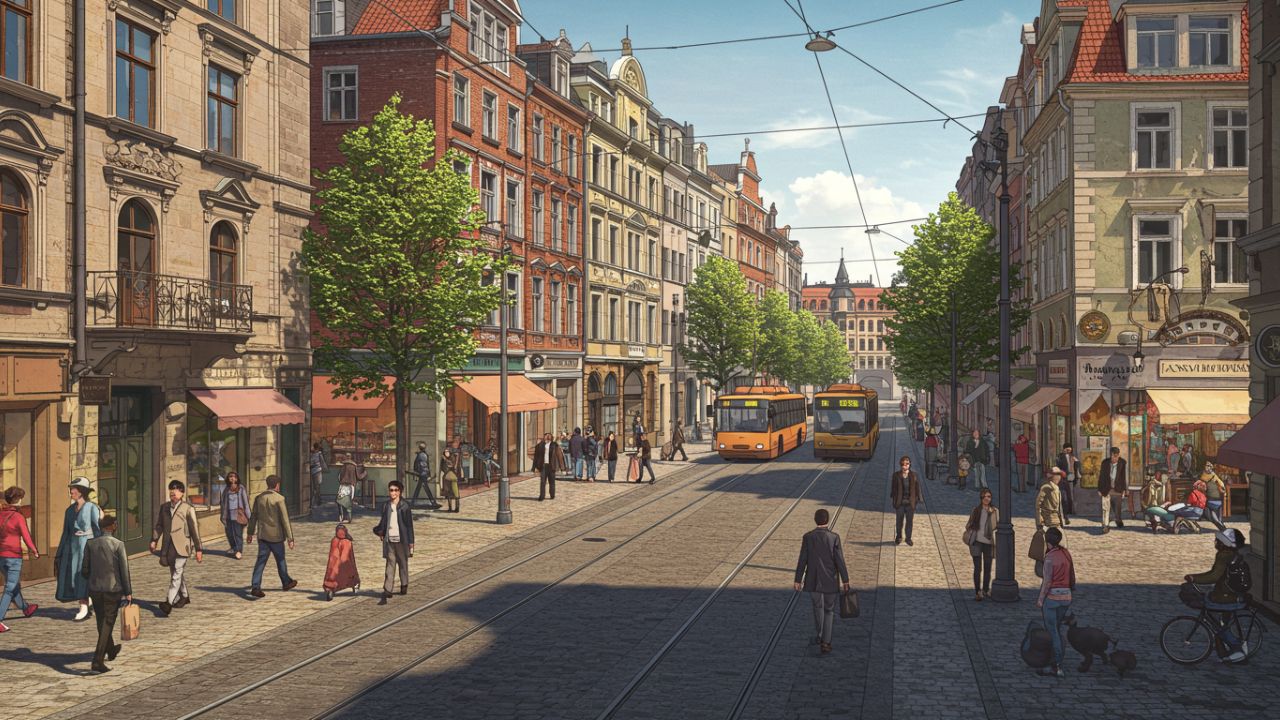
Introduction to Axurbain
Axurbain is capturing the imagination of urban planners, residents, and investors alike. As cities evolve to meet the demands of modern life, Axurbain emerges as a beacon of innovation in urban development. This term encompasses a fresh approach that combines technology, sustainability, and community engagement. In an era where rapid urbanization poses both challenges and opportunities, understanding Axurbain becomes crucial for shaping vibrant city landscapes.
Imagine walking through neighborhoods designed with people in mind—where parks flourish amidst high-tech infrastructure and every voice matters in planning decisions. The rise of Axurbain signals a shift towards smarter cities that prioritize not just growth but also livability. Whether you’re passionate about sustainable living or curious about future city designs, diving into the trends surrounding Axurbain offers insights that could redefine our world. Let’s explore how this innovative movement is transforming urban landscapes today!
Benefits of Urban Development
Urban development brings a wealth of benefits to communities. It fosters economic growth by attracting businesses and creating jobs. Vibrant urban centers become hubs for innovation, driving progress in various sectors.
Enhanced infrastructure is another significant advantage. Improved transportation systems and public facilities lead to better accessibility and convenience for residents. This connectivity often makes daily life smoother.
Moreover, urban areas can promote cultural diversity through the mingling of different populations. This melting pot enriches local culture, offering unique experiences in art, cuisine, and social interactions.
Additionally, well-planned developments enhance safety with better lighting and public spaces that encourage community interaction. As neighborhoods thrive together, a sense of belonging emerges among residents.
Access to amenities like parks and recreational zones becomes more prevalent as cities grow thoughtfully. These features contribute substantially to a higher quality of life for everyone involved.
Technological Advancements in Urban Planning
Technological advancements are revolutionizing urban planning, transforming how cities evolve. Smart technologies and data analytics play a crucial role in this shift.
Cities now utilize Geographic Information Systems (GIS) to visualize spatial data effectively. This allows planners to make informed decisions based on real-time information.
Drones offer an aerial view of urban landscapes, enhancing site assessments and monitoring developments from above. These tools provide insights that were previously hard to obtain.
Moreover, building information modeling (BIM) facilitates collaboration among architects, engineers, and contractors. It streamlines the design process while minimizing errors during construction.
Artificial intelligence is also making waves by predicting growth patterns and optimizing resource allocation. As these innovations continue to emerge, they pave the way for smarter city designs that prioritize efficiency and livability.
Sustainable Design and Green Spaces
Sustainable design is at the heart of axurbain, emphasizing harmony between urban living and nature. This approach incorporates eco-friendly materials and energy-efficient systems to reduce environmental impact.
Green spaces play a crucial role in this vision. Parks, community gardens, and green roofs not only enhance aesthetics but also improve air quality. They provide residents with much-needed natural retreats amidst urban hustle.
These areas promote biodiversity by serving as habitats for various species. Additionally, they encourage outdoor activities, fostering healthier lifestyles among city dwellers.
Innovative landscaping techniques can transform underutilized land into vibrant ecosystems. Urban planners are increasingly focusing on integrating these features into their designs.
The aim is simple: create livable cities where nature thrives alongside modern infrastructure. Such initiatives inspire communities to embrace sustainability while enhancing their surroundings.
Inclusive and Community-Centered Developments
Inclusive and community-centered developments are reshaping the urban landscape. They prioritize accessibility for all residents, ensuring that everyone feels welcome in their environments.
These projects often involve local input during planning stages. By engaging community members, developers can create spaces that truly reflect the needs and desires of those who live there. This collaboration fosters a sense of ownership among residents.
Affordable housing is another critical component. It allows diverse populations to thrive together, enriching neighborhoods with varied cultures and perspectives.
Public spaces like parks play a pivotal role too. They serve as gathering spots where neighbors can connect, promoting social cohesion and interaction within communities.
Furthermore, these developments often include resources such as schools and health facilities designed to meet local demands. Such thoughtful design nurtures strong relationships among residents while addressing essential needs effectively.
Impact on Economy and Quality of Life
Axurbain is transforming urban landscapes, and its impact on the economy is significant. By attracting businesses and investment, it fosters job creation. More jobs mean more spending power for residents, contributing to local growth.
Quality of life sees a boost as well. Enhanced infrastructure leads to better transportation options, making daily commutes easier. This convenience allows individuals to spend more time with family or pursue personal interests.
Moreover, vibrant public spaces encourage community interactions. Residents engage in social activities that strengthen neighborhood ties. Health also improves as access to green areas promotes physical fitness and mental well-being.
As Axurbain projects develop, cities become attractive destinations for new talent and innovation hubs emerge. The synergy between economic growth and improved living conditions creates a dynamic environment ripe for progress.
Challenges and Criticisms of Axurbain
Despite the promising vision of axurbain, it faces its share of challenges. One major concern is the rapid pace of urbanization. As cities expand, infrastructure struggles to keep up. This can lead to overcrowded public transport and strained resources.
Another criticism revolves around affordability. Many axurbain projects cater to higher-income residents, potentially displacing low-income communities. Gentrification often follows development, raising property values and rents.
Environmental concerns also arise with some urban initiatives. Not all developments prioritize green spaces or sustainable practices, undermining the eco-friendly aspirations of modern urban living.
A lack of community engagement in planning processes leads to dissatisfaction among local residents. When voices are overlooked, projects may not reflect the true needs and desires of those who live there.
These issues highlight that while axurbain holds promise for innovative living environments, critical attention is necessary to ensure equitable growth and sustainability.
Future Outlook and Potential for Growth
The future of Axurbain presents a landscape rich with opportunities. As urban populations continue to swell, the demand for innovative housing and infrastructure will only intensify.
Cities are becoming more than just places to live; they are evolving into interconnected ecosystems. This shift drives the need for smarter, more efficient designs that can adapt to changing demographics and lifestyles.
Emerging technologies like AI and machine learning promise to revolutionize urban planning. These tools can analyze vast amounts of data, helping developers make informed decisions that enhance livability.
Green initiatives will also play a pivotal role in shaping Axurbain’s growth trajectory. Urban areas committed to sustainability will attract residents who prioritize eco-friendly living spaces.
Collaboration among stakeholders governments, private sectors, and communities—will be vital in realizing this vision. Successful partnerships can lead to creative solutions that address challenges while fostering dynamic urban environments where people thrive.
Conclusion
The emergence of Axurbain marks a significant shift in urban development. This innovative approach embraces the complexities of modern living while prioritizing sustainability, technology, and community engagement. Cities are evolving into spaces that not only accommodate growth but also enhance the quality of life for residents. With advancements in technology, urban planning is becoming more efficient and effective. Smart infrastructure transforms how people interact with their environment. Meanwhile, sustainable design principles guide developments towards greener options that benefit both nature and inhabitants.
Community-focused projects emphasize inclusivity, ensuring everyone has access to essential services and shared spaces. This focus on collaboration fosters strong neighborhoods where diverse populations can thrive together. However, challenges remain. Critics point to potential gentrification risks and the need for balancing innovation with tradition. Addressing these concerns will be vital as cities continue to evolve.
The future looks promising for Axurbain concepts as they pave the way for smarter, more livable environments. As urban areas adapt to new demands, embracing these trends could lead us toward a brighter horizon in city living experiences across the globe.